
The Battle Every Gardener Knows Too Well
Imagine this.
You spend an entire Saturday planting beautiful flowers, arranging vegetables in neat rows, and spreading fresh mulch across your garden beds. Everything looks perfect.
Then you leave for a week.
When you return, an army of weeds has launched a full-scale invasion.
Somehow, those tiny green troublemakers have appeared everywhere. Between your tomatoes. Around your roses. Even through cracks you didn’t know existed.
At this point, many gardeners ask the same question:
“Is there a way to stop weeds before they start?”
The answer is yes—and one of the most effective tools is weed control fabric, often called landscape fabric, weed barrier fabric, or garden fabric.
But here’s where things get tricky.
Not all weed fabrics are created equal.
Choosing the wrong one can lead to poor drainage, damaged plants, wasted money, and even more gardening headaches.
So how do you choose the right fabric for your garden?
Let’s dig in.
What Exactly Is Weed Control Fabric?
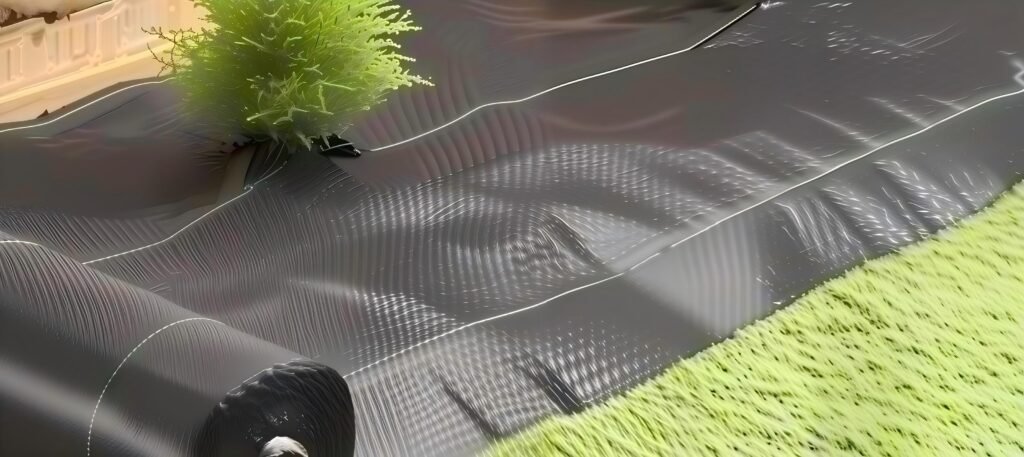
Weed control fabric is a specially designed material placed over soil to block sunlight from reaching weed seeds.
Without sunlight, most weeds struggle to germinate and grow.
Think of it as a security guard standing between your carefully planned garden and thousands of weed seeds waiting for their opportunity.
The ideal weed barrier fabric does three things:
- Blocks sunlight
- Allows water through
- Allows air circulation
When these three factors work together, your plants thrive while weeds struggle.
Simple in theory.
Not always simple in practice.
Why Weeds Always Seem to Win
Before choosing fabric, it helps to understand your enemy.
Weeds are nature’s survival experts.
Many weed seeds can remain dormant in soil for years.
Some can survive:
- Drought
- Heavy rain
- Cold winters
- Hot summers
- Foot traffic
- Poor soil
A few even hitchhike into your garden through wind, birds, pets, or your own shoes.
It’s almost impressive.
Almost.
This is why pulling weeds often feels like fighting a hydra—remove one and two more appear.
A good weed barrier doesn’t just remove existing weeds.
It helps prevent future generations from taking over.
The Main Types of Weed Control Fabric
Choosing fabric is much easier once you understand the different types available.
1. Woven Landscape Fabric
This is one of the most popular options.
The material is woven from polypropylene strips, creating a strong and durable barrier.
Advantages
- Excellent weed suppression
- Allows water and air movement
- Long lifespan
- Strong enough for gravel areas
Best For
- Flower beds
- Shrub borders
- Gravel paths
- Decorative landscapes
Many professional landscapers consider woven fabric the best all-around solution.
2. Non-Woven Landscape Fabric
Unlike woven fabric, this material resembles felt.
It is produced by bonding fibers together rather than weaving them.
Advantages
- Superior moisture retention
- Good erosion control
- Strong root protection
Best For
- Areas requiring moisture conservation
- Sloped gardens
- Drainage projects
However, some versions allow less airflow than woven alternatives.
3. Spun Landscape Fabric
This lightweight material offers a balance between weed control and soil health.
Advantages
- Lightweight
- Easy installation
- Good airflow
- Flexible
Best For
- Vegetable gardens
- Seasonal planting beds
- Home gardening projects
Gardeners who frequently rearrange plants often prefer spun fabrics.
4. Biodegradable Weed Fabric
The eco-friendly newcomer.
Usually made from:
- Jute
- Coconut fiber
- Paper materials
- Natural fibers
Advantages
- Environmentally friendly
- Decomposes naturally
- No long-term plastic waste
Best For
- Organic gardens
- Temporary planting projects
- Sustainable landscaping
The trade-off is durability.
Mother Nature eventually recycles it.
Match the Fabric to Your Garden
Here’s where many gardeners make mistakes.
They buy the strongest fabric available and use it everywhere.
That’s like wearing steel-toe boots to swim.
The best fabric depends on your garden’s purpose.
Vegetable Gardens
Vegetables need:
- Water
- Oxygen
- Healthy soil microbes
Choose:
✅ Lightweight woven fabric
or
✅ Spun fabric
Avoid overly thick barriers that can interfere with soil activity.
Flower Beds
Flowers generally benefit from long-term weed protection.
Choose:
✅ Medium-weight woven fabric
This provides lasting weed suppression while allowing roots to develop naturally.
Gravel Pathways
Weeds love gravel.
In fact, gravel often becomes a five-star hotel for weeds.
Choose:
✅ Heavy-duty woven landscape fabric
The extra strength helps prevent weeds from pushing through.
Around Trees and Shrubs
Trees need long-term root health.
Choose:
✅ High-quality woven fabric
Cover with mulch for improved appearance and moisture retention.
Thickness: Bigger Isn’t Always Better
Many shoppers assume thicker fabric automatically means better performance.
Not necessarily.
Think about clothing.
A winter coat is wonderful in January.
Not so wonderful at the beach.
Similarly, extremely thick weed barriers may:
- Restrict airflow
- Slow water penetration
- Create drainage issues
For most home gardens:
Light Duty
Ideal for:
- Annual flower beds
- Vegetable gardens
Medium Duty
Ideal for:
- General landscaping
- Decorative gardens
Heavy Duty
Ideal for:
- Gravel driveways
- Commercial landscapes
- Long-term weed suppression
Choose based on application rather than thickness alone.
Water Permeability Matters More Than You Think
Plants need water.
That sounds obvious.
Yet many gardening problems begin because homeowners ignore permeability ratings.
A weed barrier should block sunlight—not water.
Poor-quality fabrics can cause:
- Water pooling
- Root stress
- Fungal diseases
- Plant decline
A simple test:
If rainwater sits on top of the fabric instead of soaking through, you’ve chosen the wrong product.
The Secret Weapon: Mulch + Fabric
Here’s a little gardening secret.
Landscape fabric works best when paired with mulch.
Think of them as a superhero team.
Fabric Stops:
- Most weeds from below
Mulch Stops:
- Weed seeds arriving from above
- Moisture loss
- Soil temperature fluctuations
Together they create a much stronger defense.
A 2–3 inch layer of mulch over fabric often provides the best results.
Common Mistakes That Cause Weed Fabric Failure
Even the best fabric won’t work if installed incorrectly.
Let’s look at the most common mistakes.
Mistake #1: Skipping Weed Removal
Some gardeners place fabric directly over existing weeds.
Bad idea.
The weeds underneath often continue growing and push against the barrier.
Always remove existing weeds first.
Mistake #2: Using Too Little Overlap
Fabric edges should overlap by several inches.
Otherwise weeds find the gaps.
And trust me—they always find the gaps.
Mistake #3: Forgetting Landscape Pins
Strong wind can lift loose fabric surprisingly quickly.
Secure everything properly using landscape staples or pins.
Mistake #4: Using Fabric in Every Location
Landscape fabric isn’t perfect for every situation.
For example:
- Some perennial beds benefit from open soil.
- Certain self-seeding flowers need direct soil contact.
Use fabric strategically.
Is Weed Fabric Safe for Soil?
This question sparks endless gardening debates.
The short answer:
High-quality weed fabric is generally safe when used correctly.
Problems usually occur when:
- Cheap materials degrade
- Fabric remains uncovered for years
- Drainage becomes restricted
Modern premium landscape fabrics are designed to support:
- Water movement
- Air exchange
- Root development
The key is choosing quality products rather than the cheapest option available.
Organic Gardening: Should You Use Fabric?
Many organic gardeners hesitate when considering weed barriers.
The answer depends on your goals.
If sustainability is your priority, biodegradable weed fabrics can be excellent choices.
Some organic growers combine:
- Natural weed barriers
- Organic mulch
- Manual weeding
This approach minimizes synthetic materials while maintaining weed control.
How Long Should Weed Fabric Last?
Durability varies significantly.
Basic Fabric
1–3 years
Standard Woven Fabric
5–10 years
Professional Grade Fabric
10–20 years
Factors affecting lifespan include:
- UV exposure
- Climate
- Installation quality
- Traffic levels
Covering fabric with mulch dramatically extends its life.
Sunlight is often the biggest enemy.
The Cost Question: Is It Worth It?
Let’s do a simple comparison.
Imagine spending:
- 2 hours per week weeding
- 30 weeks per year
That’s 60 hours annually.
Now multiply that over five years.
You could spend hundreds of hours pulling weeds.
A quality weed barrier may cost more upfront, but it can save enormous amounts of time and effort.
For many gardeners, that’s a worthwhile trade.
Especially during summer when there are better ways to spend weekends than wrestling dandelions.
Choosing the Right Fabric: A Quick Checklist
Before buying, ask yourself:
What am I planting?
Vegetables, flowers, shrubs, or gravel?
How long do I need weed control?
One season or ten years?
Is drainage important?
(Almost always yes.)
Do I prefer synthetic or biodegradable materials?
Choose according to your gardening philosophy.
Will I add mulch?
You should.
Is durability a priority?
Heavy-duty products are better for permanent installations.
Answering these questions will narrow your options quickly.
The Future of Weed Control Fabrics
Gardening technology is evolving rapidly.
Manufacturers are developing fabrics with:
- Improved water permeability
- Greater UV resistance
- Recycled materials
- Biodegradable technology
- Enhanced durability
As sustainability becomes more important worldwide, expect to see even more environmentally friendly weed-control solutions entering the market.
The future may not eliminate weeds completely.
But it will certainly make the battle easier.
Final Thoughts
Every gardener dreams of spending more time enjoying the garden and less time fighting weeds.
The right weed control fabric can help make that happen.
The secret isn’t choosing the thickest or most expensive product.
It’s choosing the fabric that matches your specific gardening needs.
For most home landscapes:
- Woven fabric offers the best balance of durability and performance.
- Spun fabric works well in vegetable gardens.
- Heavy-duty fabric excels beneath gravel.
- Biodegradable options support sustainable gardening.
Remember, weed fabric is not a magic carpet that makes weeds disappear forever.
But when combined with proper installation and a good layer of mulch, it becomes one of the most powerful tools in a gardener’s arsenal.
And if it saves you from spending another Saturday pulling weeds that somehow appeared overnight?
That’s already a victory worth celebrating.
Leave a Reply